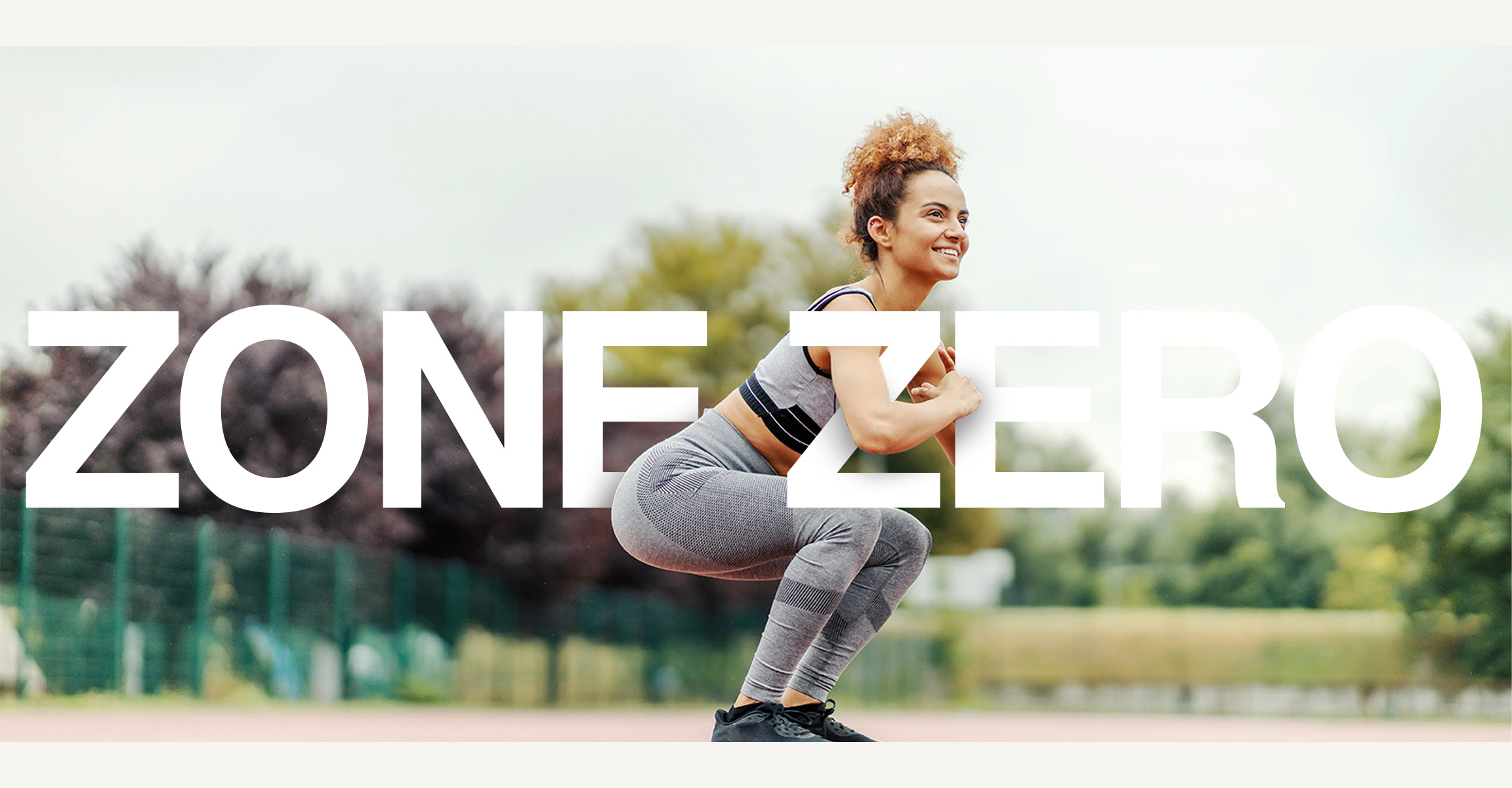
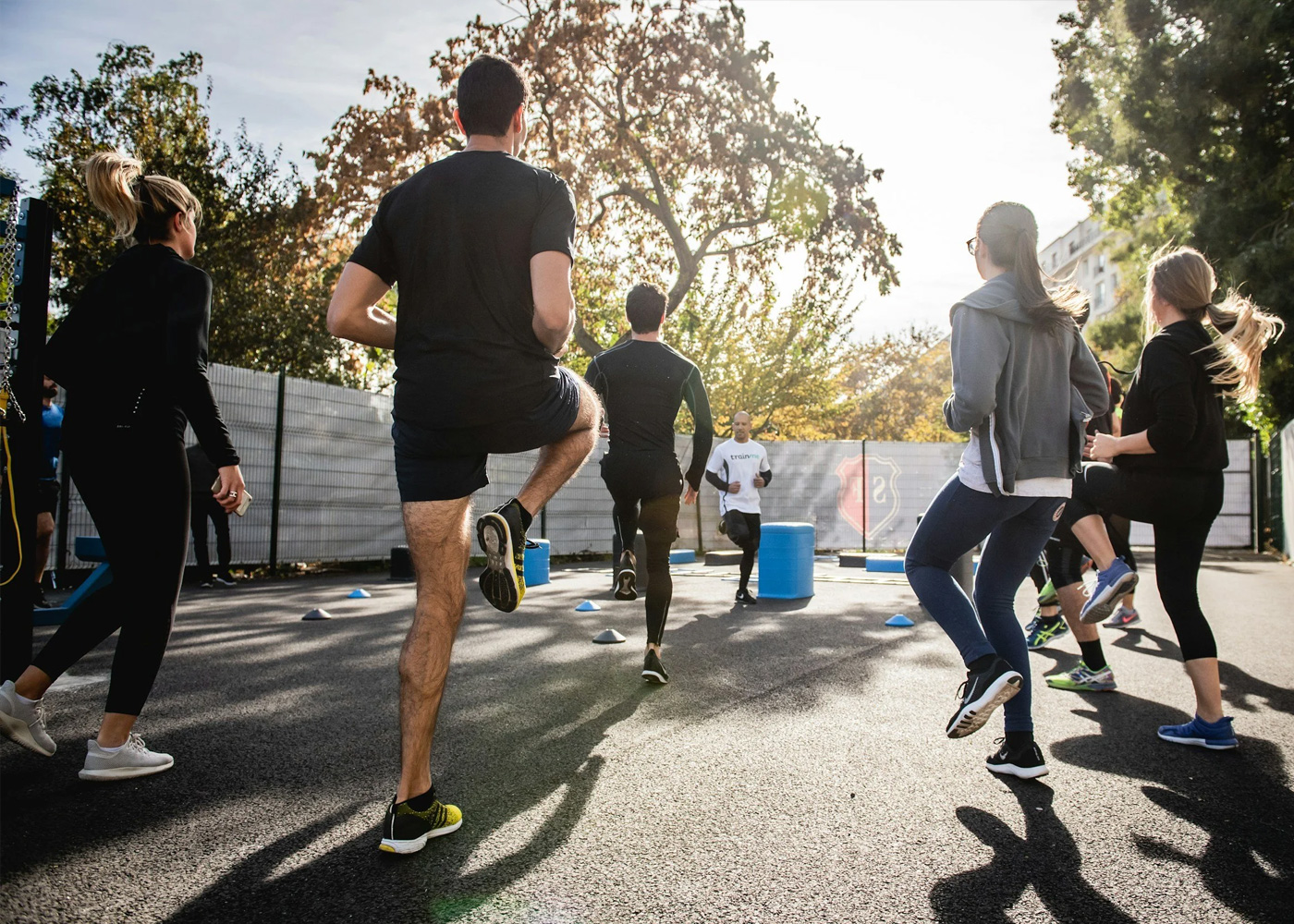
Zone Zero focuses on preparatory, low-intensity activities that prime the nervous system, joints, and connective tissue before harder training. Typical Zone Zero activities include:
- Breathwork – nasal breathing, slow exhales, and CO₂ tolerance drills to calm the nervous system and improve movement efficiency
- Joint mobility work – controlled rotations for hips, shoulders, spine, ankles, and wrists to restore range of motion
- Isometric holds – low-load positions that strengthen tendons and improve joint stability without fatigue
- Slow, controlled strength patterns – bodyweight squats, hinges, presses, and carries performed deliberately
- Fascial and connective tissue loading – gentle oscillations, long-range movements, and elastic loading to improve tissue resilience
- Balance and coordination drills – single-leg work, cross-body movements, and proprioceptive exercises
- Light aerobic movement – walking, easy cycling, or zone-1 cardio to increase circulation without stress
- Mindful movement practices – elements from yoga, Pilates, and animal flow, emphasizing control over intensity
The defining feature of Zone Zero isn’t the exercises themselves, but how they’re performed: low stress, high awareness, and purposeful preparation. The aim is to leave sessions feeling more capable and energized, not exhausted—setting the foundation for safer, stronger performance in higher-intensity training.