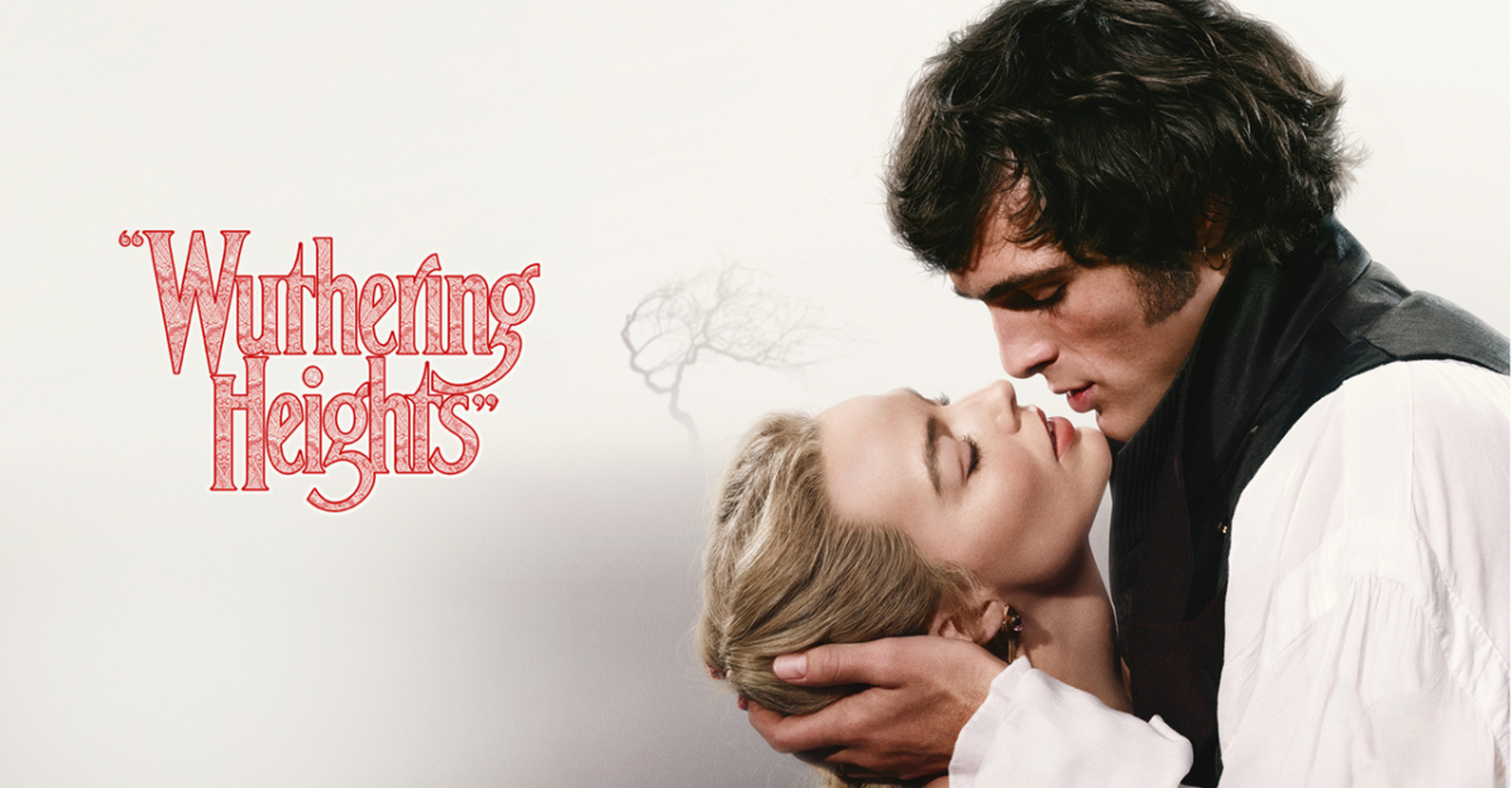
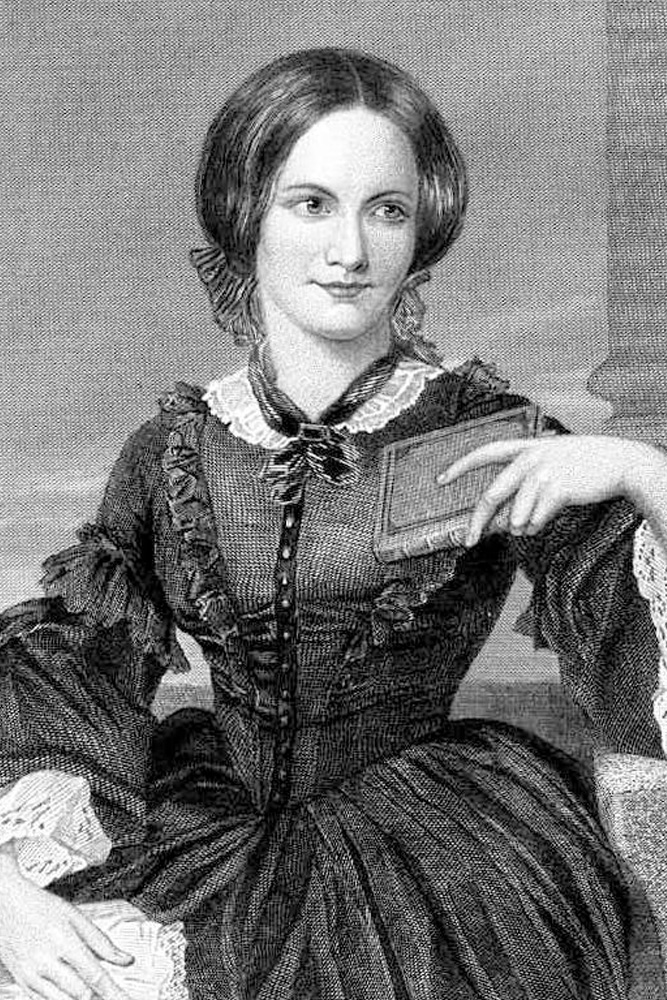
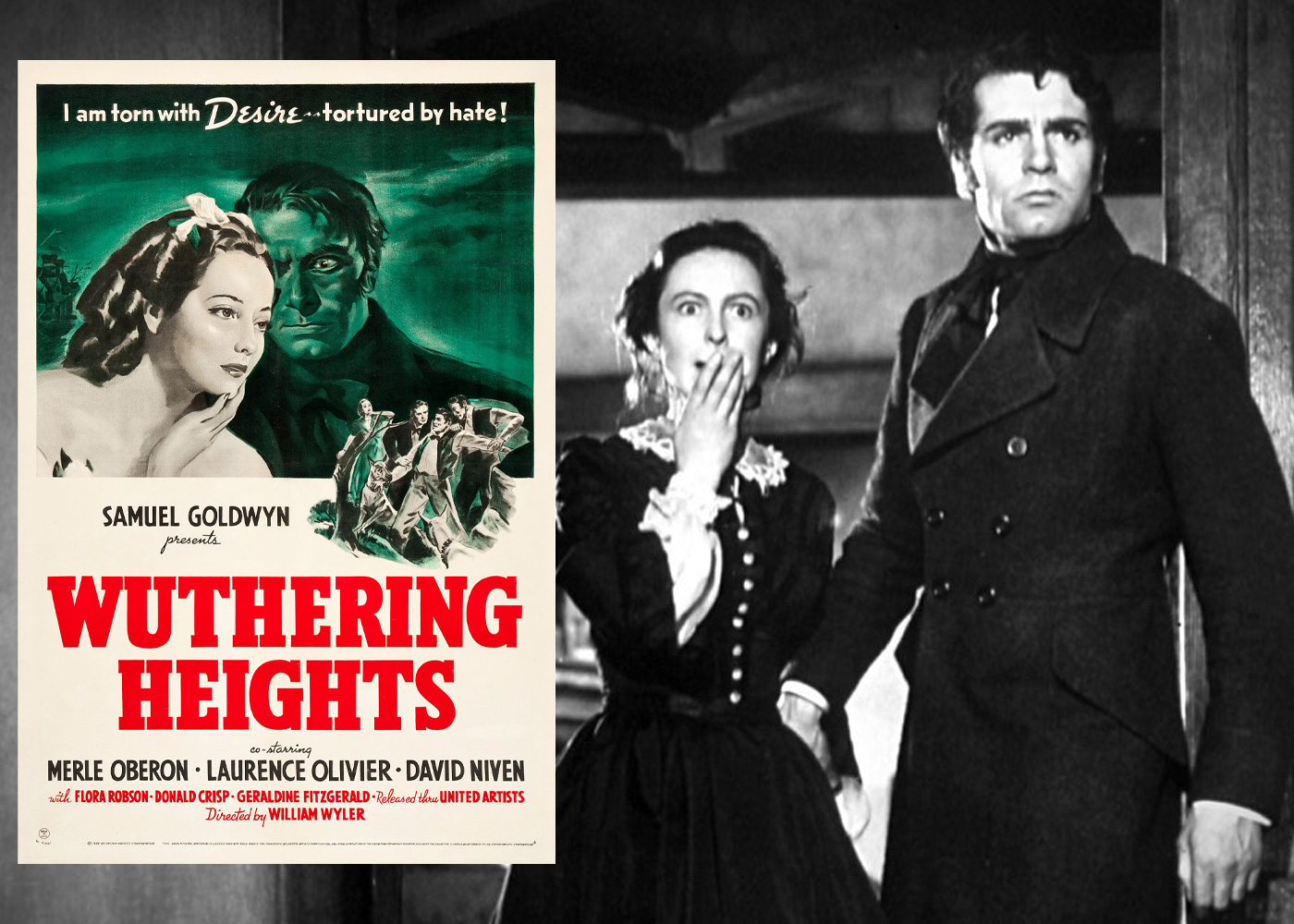
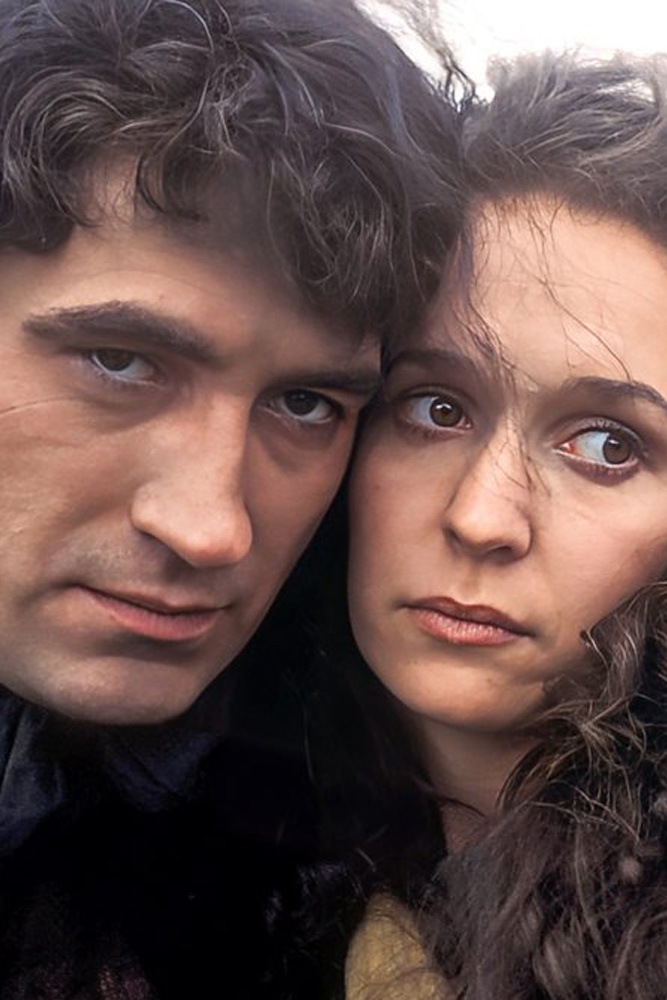
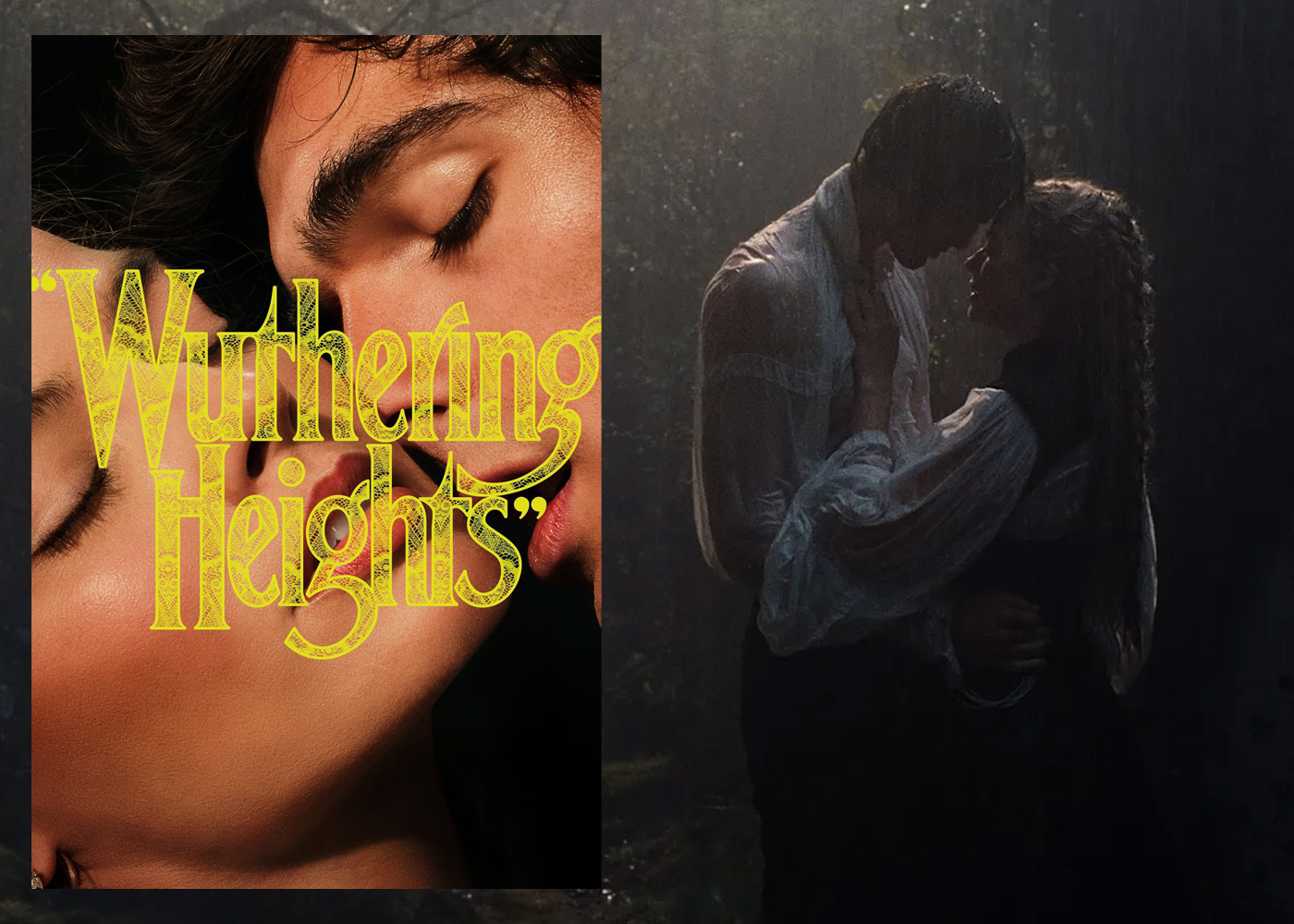
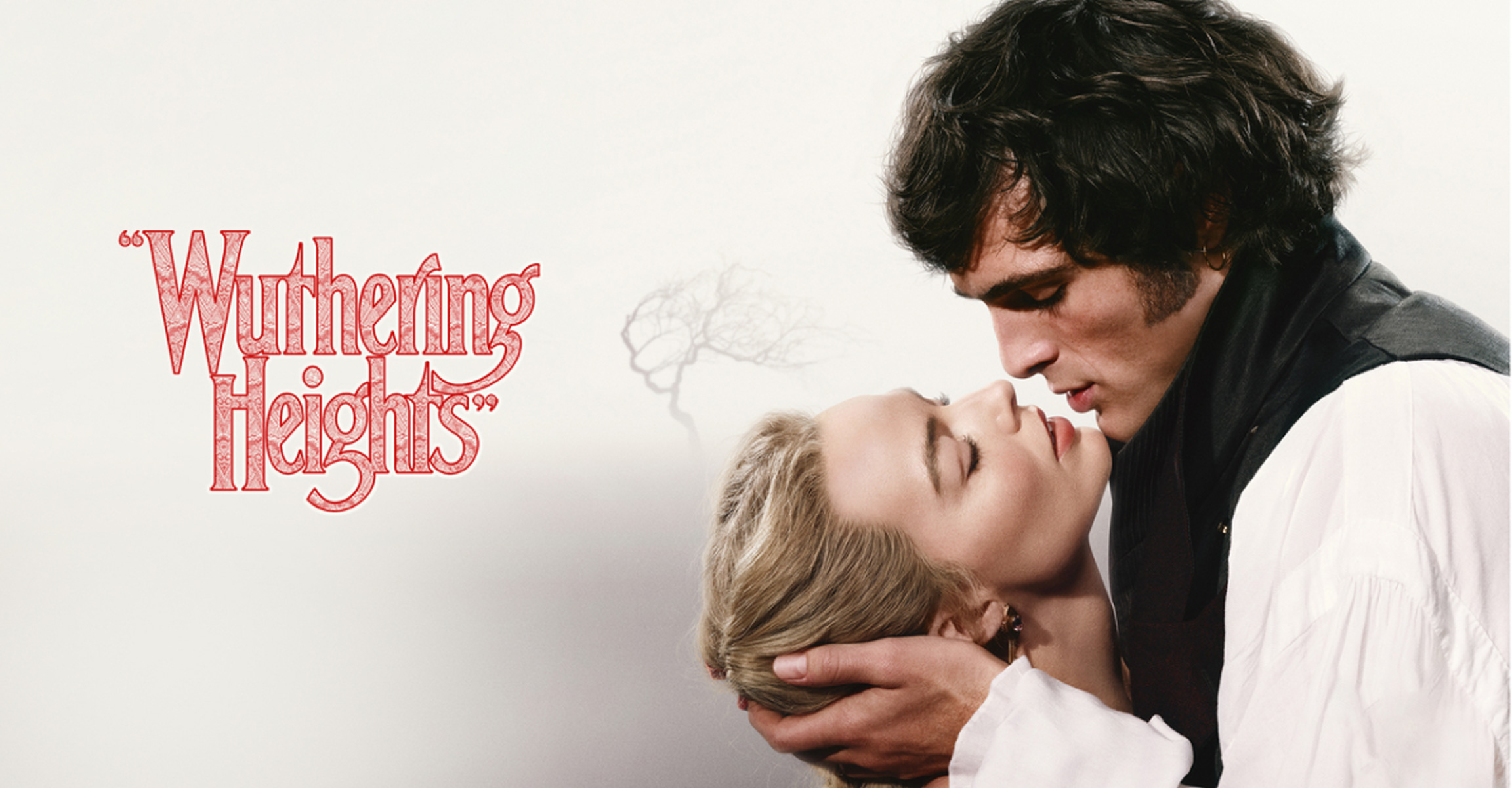
Emily Brontë’s Wuthering Heights has always felt like a story untamed by its covers. Published in 1847, the novel startled Victorian readers with its brutal emotional intensity, fractured narration, and moral ambiguity. The moors are not simply a backdrop but a psychological landscape—windswept, isolating, and wild. At its heart lies the destructive bond between Catherine Earnshaw and Heathcliff, a love story stripped of sentimentality and charged instead with obsession, pride, class resentment, and revenge. It is precisely this ferocity that has drawn filmmakers and television producers back to the novel for nearly a century.